Loft Conversion Company
Roof To Room is a leading loft conversion company operating across the UK.
Loft conversion services help UK homeowners increase usable living space and property value.
Watch this 60-second video to see how a loft conversion works
⬇️⬇️⬇️⬇️⬇️
Trusted by homeowners across the UK
A loft conversion is a structural home improvement that transforms unused attic space into a functional living area. Across the UK, loft conversion projects have become increasingly popular as homeowners seek to maximise space without moving house.
UK homeowners use loft conversion services to create additional bedrooms, home offices, and living areas within existing properties. Rising property prices and planning restrictions have increased demand for loft conversions as a cost-effective alternative to extensions.
Choosing the right loft conversion company directly affects build quality, regulatory compliance, and long-term property value. Roof To Room delivers first-class loft conversions nationwide that are designed to convert roof spaces into compliant, high-performance rooms.
Who Are We?
Roof To Room is a specialist trusted loft conversion company that designs and delivers loft conversions for homeowners across the UK.
Our team focuses exclusively on loft conversion projects, allowing Roof To Room to maintain consistent build quality, regulatory compliance, and predictable outcomes for every client.
Roof To Room operates as a team of experienced loft conversion professionals, including designers, structural specialists, and project managers.
Each specialist contributes expertise in planning, construction, and building regulations, ensuring every loft conversion progresses smoothly from design to completion.
Roof To Room works directly with homeowners to convert unused roof space into functional living areas such as bedrooms, home offices, and ensuite spaces.
This collaborative approach ensures each loft conversion meets household needs, budget expectations, and long-term property goals.
By managing the entire loft conversion process in-house, Roof To Room reduces delays, controls costs, and improves build efficiency.
This structure allows homeowners to work with a single accountable specialist contractor rather than coordinating multiple trades.
Why Choose Roof To Room For Your Loft conversion
Expertise & Experience
Roof To Room delivers loft conversions using experienced designers, structural specialists, and project managers.
This ensures consistent build quality, regulatory compliance, and predictable project outcomes.
Fully Bespoke Designs
Roof To Room designs loft conversions around the existing roof structure and household requirements.
This produces practical layouts that maximise usable space while meeting building regulations.
Planning & Regulations Assistance
Roof To Room manages planning checks and building regulations approval for each loft conversion.
This reduces delays, prevents compliance issues, and allows projects to progress smoothly.
High-Quality Materials
Roof To Room uses certified construction materials suitable for residential loft conversions.
This improves durability, energy efficiency, and long-term performance of the converted space.
End-to-End Service
Roof To Room manages the full loft conversion process from feasibility through to completion.
This provides a single accountable contractor and reduces coordination issues for homeowners.
Competitive Pricing
Roof To Room provides clear, itemised loft conversion pricing based on project scope.
This allows homeowners to budget accurately and avoid unexpected cost increases.
Accredited Loft Conversion Company
Roof To Room operates as an accredited loft conversion provider that delivers projects in accordance with UK building regulations and recognised construction standards.
This accreditation confirms that Roof To Room follows recognised construction standards, health and safety requirements, and building regulation frameworks relevant to residential loft conversions.
Roof To Room works in line with UK Building Regulations, including structural safety, fire safety, insulation performance, and ventilation standards. Compliance with these regulations ensures each loft conversion is safe, legally approved, and suitable for long-term residential use.
Accreditation allows Roof To Room to coordinate effectively with building control officers, structural engineers, and certified trades. This coordination reduces delays during inspections and improves approval outcomes for completed loft conversion projects.
Homeowners benefit from using an accredited loft conversion company because accreditation reduces risk and increases build reliability. Roof To Room uses approved processes and qualified professionals to deliver loft conversions that meet regulatory expectations and protect homeowner investment.
Loft Conversion Cost
A loft conversion typically costs between £30,000 and £75,000 in the UK, depending on the scope of work, structural requirements, and finish level.
This cost range reflects the variation between simple roof-space conversions and complex structural alterations.
Project cost is calculated based on design complexity, build method, and compliance requirements.
Roof To Room assesses each property individually to determine realistic pricing and construction feasibility.
Factors That Influence The Cost Of A Loft Conversion
The type of loft conversion directly affects overall cost. A roof-light conversion requires minimal structural work, while dormer, hip-to-gable, and mansard conversions require additional materials and labour.
The existing roof structure influences build complexity and cost. Older properties often require steel reinforcement and floor strengthening to meet building regulations.
The size of the loft space affects material volume and labour time. Larger lofts require more structural work, insulation, and finishing, which increases total project cost.
The intended use of the loft conversion impacts specification level. Bedrooms, bathrooms, and home offices require different electrical, plumbing, and fire-safety installations.
The level of interior finish determines final cost. Higher-grade insulation, bespoke staircases, and premium finishes increase build value and investment level.
Cost Control And Project Planning
A professionally managed build process controls costs through structured planning and staged delivery.
Roof To Room defines scope, materials, and timelines before construction begins to prevent unexpected cost increases.
Clear specification and compliance planning reduce variation during the build phase.
This approach allows homeowners to understand cost, process, and outcomes before work starts.
What Is A Loft Conversion?
A loft conversion is a construction process that transforms unused roof space into a functional living area.
This process increases usable floor space without expanding the property footprint.
Roof To Room designs and builds structural alterations within an existing roof structure.
How Does a Loft Conversion Differ From an Extension?
A loft conversion uses existing roof volume rather than extending ground-level space.
This approach avoids garden loss and reduces planning complexity in many UK properties.
A loft conversion company works within the existing building envelope to minimise disruption.
Roof To Room structures loft projects to integrate seamlessly with the original property layout.
Compliance and Classification
A loft conversion must comply with UK Building Regulations covering structure, fire safety, insulation, and access.
Compliance ensures the converted space is legally habitable and safe for long-term use.
A professionally built loft conversion qualifies as permanent living space.
This classification supports resale value, mortgage approval, and insurance coverage.
Our Loft Conversion Process
A loft conversion follows a defined build process that connects feasibility assessment, design planning, structural work, regulatory compliance, and final finishing. Roof To Room delivers loft conversions by managing each stage of this process to produce safe, compliant, and functional living space for UK homeowners.
This structured approach allows the loft conversion service to progress efficiently from initial survey through to completed habitation, while maintaining cost control, build quality, and regulatory approval.
1.Initial Assessment & Feasibility
The loft conversion process begins with a structural and spatial assessment of the existing property.
Roof To Room assesses roof height, pitch, load-bearing walls, and access points to confirm whether a loft conversion is structurally viable.
A feasibility assessment determines whether the loft conversion can meet UK Building Regulations without excessive structural alterations.
This stage prevents unsuitable designs and reduces the risk of redesign costs later in the project.
2.Design & Layout Planning
Design planning defines how the loft conversion will function as a living space. Roof To Room creates loft conversion designs that optimise head height, natural light, room flow, and stair access.
A well-planned loft conversion design improves usability while maintaining structural balance within the existing home. Design decisions directly affect build cost, planning requirements, and long-term comfort.
3.Structural Engineering & Load Calculations
Structural work ensures the loft conversion can safely support new living loads. Roof To Room installs steel beams and reinforced floor structures to distribute weight correctly across load-bearing walls.
Structural calculations confirm that the loft conversion meets UK engineering and safety standards.
This stage protects the property from movement, sagging, or long-term structural damage.
4.Planning Permission & Building Regulations
A loft conversion must comply with UK planning rules and Building Regulations. Roof To Room manages permitted development checks, planning submissions, and Building Control coordination where required.
Building Regulations approval ensures the loft conversion meets standards for fire safety, insulation, stair access, ventilation, and soundproofing.
Compliance protects homeowners legally and ensures the loft conversion can be sold or insured without issues.
5.Construction & Installation
Construction is the stage where the loft conversion is physically built.
Roof To Room carries out structural framing, roof alterations, insulation installation, and internal wall construction in a defined sequence.
Each construction phase is scheduled to minimise disruption to the existing home.
Controlled build sequencing reduces delays and ensures the loft conversion progresses safely and efficiently.
6.Insulation, Fire Safety & Performance
Performance systems determine comfort and efficiency within a loft conversion.Roof To Room installs thermal insulation, fire-resistant materials, and soundproofing to meet UK standards.
High-performance insulation improves energy efficiency and reduces heating costs.
Fire safety measures protect occupants and ensure regulatory approval.
7.Finishing, Certification And Handover
The final stage completes the loft conversion for occupation.
Roof To Room carries out plastering, electrical finishing, flooring, and final inspections before handover.
Building Control certification confirms the loft conversion meets all required standards.
Certification provides homeowners with legal proof of compliance and long-term peace of mind.
Types of Loft Conversions We Install
Roof To Room delivers multiple loft conversion types to suit different roof structures, budgets, and homeowner goals across the UK.
Each loft conversion type changes roof space in a specific way to create compliant, usable living accommodation.
A loft conversion type determines structural work, planning requirements, cost, and the amount of additional space created.
Choosing the correct loft conversion type affects build complexity, disruption levels, and final property value.
Dormer Conversions
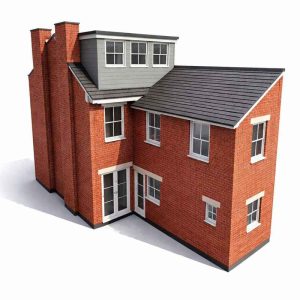
A dormer loft conversion extends the existing roof to increase internal floor space and headroom.
Roof To Room builds dormer loft conversions to create practical bedrooms, bathrooms, and home offices.
Dormer loft conversions suit properties that need additional usable space rather than limited rooflight-only solutions.
This conversion type increases layout flexibility and improves overall room functionality.
Velux Rooflight Conversions
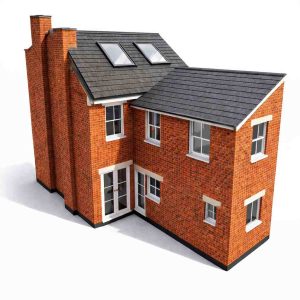
A Velux loft conversion uses roof windows to create living space without altering the existing roof structure.
Roof To Room installs Velux loft conversions to maximise natural light while keeping costs and disruption low.
This loft conversion type suits homes with adequate head height and simple roof layouts.
Velux loft conversions provide cost-effective space upgrades with minimal structural change.
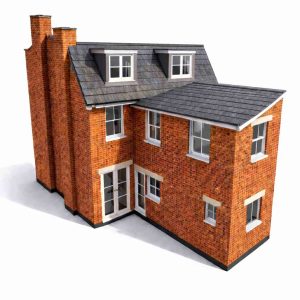
Mansard Loft Conversion
A mansard loft conversion alters the roof structure to create near full-height living space across the loft area.
Roof To Room constructs mansard loft conversions to maximise floor area and long-term property value.
Mansard conversions suit homeowners seeking substantial space increases and premium finishes.
This loft conversion type often requires planning permission due to structural roof changes.
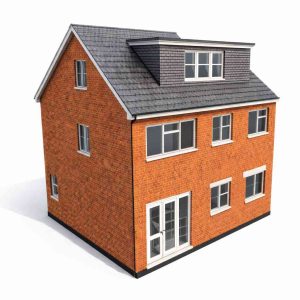
Hip to gable Loft Conversion
A hip-to-gable loft conversion replaces a sloping roof side with a vertical gable wall to expand internal space.
Roof To Room delivers hip-to-gable loft conversions for semi-detached and detached homes with hipped roofs.
This loft conversion type increases usable width and improves room proportions.
Hip-to-gable conversions enable larger bedrooms and improved stair positioning.
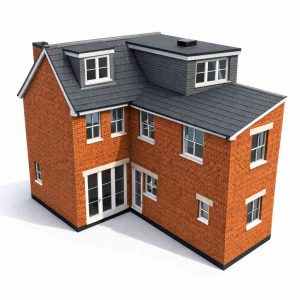
L-shaped Loft Conversion
An L-shaped loft conversion extends over the main roof and rear extension to form an L-shaped structure.
Roof To Room installs L-shaped loft conversions to unlock maximum space in period and terraced properties.
This loft conversion type supports multiple rooms, including bathrooms and storage areas.
L-shaped conversions provide some of the highest space-to-cost efficiency available.
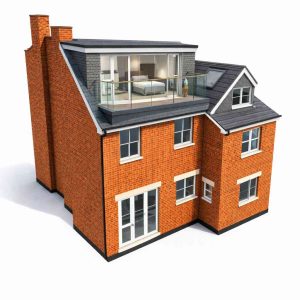
Bespoke Loft Conversions
Roof To Room designs bespoke loft conversions tailored to the layout, structure, and intended use of each property.
This approach delivers fully compliant living spaces that maximise usability, control build costs, and add long-term property value.
Benefits of a Loft Conversion
A loft conversion delivers multiple measurable benefits by transforming unused roof space into functional living accommodation.
Roof To Room provides loft conversion services that improve space, value, and lifestyle outcomes for UK homeowners.
1. Increased Living Space
A loft conversion creates additional usable living space within the existing property footprint. Roof To Room converts roof space into bedrooms, offices, or living areas to reduce overcrowding and improve comfort.
This benefit allows homeowners to expand their home without extending outward or relocating.
2. Add Value To Your Property
A loft conversion increases the value of your property value by adding habitable square footage. Roof To Room delivers loft conversions that improve market appeal and resale potential.
Estate agents and buyers value loft conversions as permanent, compliant home improvements.
This benefit often results in higher returns compared to other renovation types.
3. Cost-Effective Home Expansion
A loft conversion provides additional space at a lower cost than moving house. Roof To Room enables homeowners to avoid stamp duty, legal fees, and relocation costs.
This benefit allows families to stay in their current location while gaining more space.
4. Improved Energy Efficiency
A loft conversion improves energy efficiency by upgrading insulation and roof performance. Roof To Room installs compliant insulation systems to reduce heat loss and energy consumption.
This benefit lowers household energy bills and improves year-round thermal comfort.
5. Better Use of Existing Space
A loft conversion transforms underused roof areas into functional rooms. Roof To Room repurposes unused attics to eliminate wasted space within the home.
This benefit improves overall property efficiency without altering the building footprint.
6. Increased Natural Light
A loft conversion introduces roof windows and dormer glazing to increase daylight. Roof To Room designs loft conversions to maximise natural light and ventilation.
This benefit improves room comfort, usability, and visual appeal.
7. Enhanced Lifestyle Flexibility
A loft conversion supports flexible living arrangements such as home offices or guest rooms. Roof To Room creates adaptable loft spaces that meet changing household needs.
This benefit allows homes to evolve as families grow or work patterns change.
8. Reduced Planning Complexity Compared to Extensions
Many loft conversions fall under permitted development rights. Roof To Room designs loft conversions to comply with planning thresholds where possible.
This benefit reduces approval times and project delays compared to ground-level extensions.
9. Long-Term Structural Improvement
A loft conversion strengthens roof structures and flooring systems.Roof To Room upgrades structural components to meet modern building standards.
This benefit improves long-term property safety and durability.
What Homeowners say about us
- Emily James
“From start to finish, Roof To Room exceeded our expectations. The design they created for our master bedroom was exactly what we wanted. The project was completed on time, and the quality of work was outstanding. We love our new space!”
- Sarah
“We were unsure about converting our loft at first, but Roof To Room made it easy and affordable. The end result is amazing – our new family room is a cozy space that everyone loves. The team was fantastic every step of the way. We’re thrilled!”
- Rachel
Frequently Asked Questions About Loft Conversions
Do I need planning permission for a loft conversion?
Most loft conversions fall under permitted development rights in England. UK planning rules allow homeowners to convert loft space without permission when size, height, and appearance limits are met.
Roof To Room assesses planning requirements before work begins to ensure compliance. This process helps homeowners avoid delays, refusals, or enforcement issues.
Do loft conversions need building regulations approval?
All loft conversions must comply with UK Building Regulations. Building Regulations govern structure, fire safety, insulation, and access requirements.
Roof To Room manages building control approval throughout the project. This ensures the completed loft space is safe, compliant, and legally certified.
How long does a loft conversion take?
A standard loft conversion typically takes 6–10 weeks to complete. Project duration depends on structural complexity, design scope, and property type.
Roof To Room schedules loft conversion stages to minimise disruption and delays. This structured approach to loft design delivers predictable timelines for homeowners.
How much does a loft conversion cost in the UK?
A loft conversion in the UK typically costs between £35,000 and £75,000. Final cost depends on size, design, structural changes, and specification level.
Roof To Room provides fixed, transparent quotes based on project requirements. This pricing clarity allows homeowners to plan budgets accurately.
Is a loft conversion cheaper than moving house?
A loft conversion costs significantly less than buying a larger property. Moving house involves stamp duty, legal fees, estate agent costs, and relocation expenses.
Roof To Room delivers additional living space without moving costs. This makes loft conversion a financially efficient alternative to relocating.
Will a loft conversion add value to my home?
A loft conversion increases property value by adding usable living space. UK housing data shows loft conversions can increase value by up to 20%.
Roof To Room designs conversions that maximise functionality and appeal. This improves resale value and long-term investment potential.
What types of loft conversions are available?
Common loft conversion types include dormer, hip-to-gable, mansard, and Velux. Each type suits different roof structures and space requirements.
Roof To Room recommends the most suitable loft conversion type for each property. This ensures optimal space use and regulatory compliance.
Can every house have a loft conversion?
Most UK houses with adequate roof height can support a loft conversion. Structural feasibility depends on roof pitch, head height, and layout.
Roof To Room conducts feasibility assessments before design begins. This confirms whether conversion is viable and cost-effective.
Will I need to move out during the build?
Most homeowners remain living in their property during a loft conversion. Work is typically accessed through the roof until later build stages.
Roof To Room plans construction to reduce disruption inside the home. This allows families to stay comfortably throughout most projects.
How disruptive is a loft conversion?
A loft conversion causes less disruption than ground-floor extensions. Most work occurs above the existing living areas.
Roof To Room manages noise, dust, and access carefully. This approach maintains daily routines for homeowners.
What rooms can a loft conversion be used for?
Loft conversions are commonly used as bedrooms, offices, bathrooms, or studios.Room usage depends on layout, plumbing access, and design choices.
Roof To Room designs loft spaces around homeowner needs. This ensures the new room is functional and compliant.
Do loft conversions require new stairs?
All loft conversions require a compliant staircase. Building Regulations specify stair pitch, width, and headroom.
Roof To Room designs staircases that integrate with existing layouts. This maintains flow while meeting safety standards.
Will a loft conversion affect my roof or structure?
A loft conversion involves reinforcing the existing roof structure. Steel beams and floor joists redistribute load safely.
Roof To Room installs structural supports to meet engineering standards. This protects the integrity of the property.
Are loft conversions safe?
Loft conversions must meet strict fire safety regulations. This includes fire doors, smoke alarms, and escape routes.
Roof To Room ensures all safety requirements are met and certified. This guarantees occupant safety and compliance with loft design standards.
Can I add a bathroom to my loft?
Bathrooms can be installed in loft conversions when plumbing access allows. Water pressure and drainage routes affect feasibility. Roof To Room designs loft bathrooms with compliant plumbing solutions. This enables practical and comfortable layouts.
Will my council tax increase?
Council tax bands usually remain unchanged after a loft conversion. Reassessment typically occurs only when the property is sold. Roof To Room informs homeowners about council tax implications. This avoids unexpected future issues.
Is a loft conversion better than an extension?
Loft conversions use existing roof space instead of garden land. Extensions reduce outdoor space and often cost more.
Roof To Room helps homeowners compare options objectively. This supports informed decisions.
How energy efficient is a loft conversion?
Loft conversions require high levels of insulation under regulations.Proper insulation improves energy efficiency and comfort. Roof To Room installs compliant thermal insulation systems.This reduces heat loss and energy bills.
Can a loft conversion be financed?
Many homeowners fund loft conversions through savings or home improvement loans.Some lenders offer remortgaging options for renovations.Roof To Room provides cost breakdowns to support financing decisions.This helps homeowners plan responsibly.
Do loft conversions come with guarantees?
Professional loft conversions include workmanship guarantees. Structural elements are covered by warranties. Roof To Room provides clear guarantee documentation.This gives homeowners peace of mind.
How do I start a loft conversion?
A loft conversion starts with a feasibility assessment and design consultation. Clear planning prevents cost overruns and delays. Roof To Room guides homeowners from assessment to completion. This ensures a smooth and controlled project.
Do I need drawings or architectural plans for a loft conversion?
A loft conversion requires detailed drawings before construction can begin. Architectural drawings define layout, structure, stair placement, and compliance requirements. Roof To Room arranges professional loft conversion drawings as part of the process. These plans allow builders, engineers, and building control to approve and deliver the project correctly.
Do I need a Party Wall Agreement for a loft conversion?
A Party Wall Agreement is required when a loft conversion affects a shared wall in a terraced or semi-detached property. Roof To Room assesses party wall requirements during the planning stage to determine whether formal notice is legally required.
Roof To Room advises homeowners on party wall obligations to prevent neighbour disputes and legal delays. Early assessment ensures the loft conversion proceeds compliantly and without enforcement risk.
Will a loft conversion cause problems with my neighbours?
Neighbour concerns usually relate to noise, access, and scaffolding during a loft conversion. Roof To Room plans construction schedules and access routes to minimise disruption to neighbouring properties.
Clear communication and compliant working practices reduce complaints and disputes. Roof To Room manages the build process to maintain good neighbour relations and uninterrupted project progress.
Will scaffolding be required for my loft conversion?
Most loft conversions require scaffolding to provide safe roof access during construction. Roof To Room installs scaffolding to allow roof alterations, window installation, and structural work to be completed safely.
Scaffolding access is planned to minimise impact on neighbours and public areas. Proper access improves build efficiency and protects both workers and property during the loft conversion.
How much head height do I need for a loft conversion?
A loft conversion typically requires a minimum of 2.3m head height to be viable. Roof To Room measures existing roof height during feasibility checks to confirm whether a compliant loft conversion is achievable.
Where head height is limited, Roof To Room assesses structural solutions such as lowering ceilings or altering roof shape. This evaluation determines whether conversion is practical and cost-effective.
Do loft conversions require fire doors and escape routes?
UK Building Regulations require loft conversions to include compliant fire safety measures. Roof To Room installs fire doors, smoke detection, and protected escape routes to meet fire safety standards.
Fire safety systems protect occupants and ensure the loft conversion receives Building Control approval. Roof To Room designs fire compliance into every project to deliver safe, certifiable living space.
What happens after the loft conversion is finished (snagging and aftercare)?
Snagging identifies minor defects or adjustments required after construction completion. Roof To Room conducts post-completion inspections to resolve issues and confirm workmanship standards.
Aftercare support ensures the loft conversion performs as intended over time. Roof To Room provides warranties, certification, and follow-up assistance to protect homeowner investment and long-term satisfaction.
Areas We Cover In The UK
- Bedfordshire
- Berkshire
- Bristol
- Buckinghamshire
- Cambridgeshire
- Cardiff
- Cheshire
- Cornwall
- Cumbria
- Derbyshire
- Devon
- Dorset
- Durham
- East Riding of Yorkshire
- East Sussex
- Edinburgh
- Essex
- Glasgow
- Gloucestershire
- Hampshire
- Herefordshire
- Hertfordshire
- Isle of Wight
- Kent
- Lancashire
- Leicestershire
- Lincolnshire
- London
- Manchester
- Merseyside
- Norfolk
- North Yorkshire
- Northamptonshire
- Northumberland
- Nottinghamshire
- Oxfordshire
- Rutland
- Shropshire
- Somerset
- South Yorkshire
- Staffordshire
- Suffolk
- Surrey
- Swansea
- Tyne and Wear
- Warwickshire
- West Midlands
- West Sussex
- West Yorkshire
- Wiltshire
- Worcestershire