How To Choose The Right Loft Conversion Company For Your Home
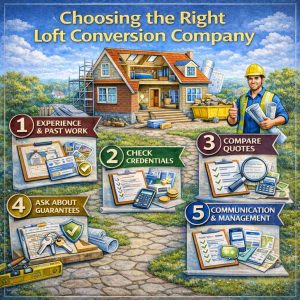
Choosing a loft conversion company is the part that makes or breaks the whole project, and I’ll say that without hesitation.
You can have the best ideas in the world, but put them in the wrong hands and things unravel fast.
Most homeowners come to me with the same worries. Will it run over budget?
Will the job drag on? Will I be left chasing people when something goes wrong?
Those fears are well founded. Industry bodies like the Federation of Master Builders consistently point to poor contractor choice as one of the main causes of disputes and unfinished work.
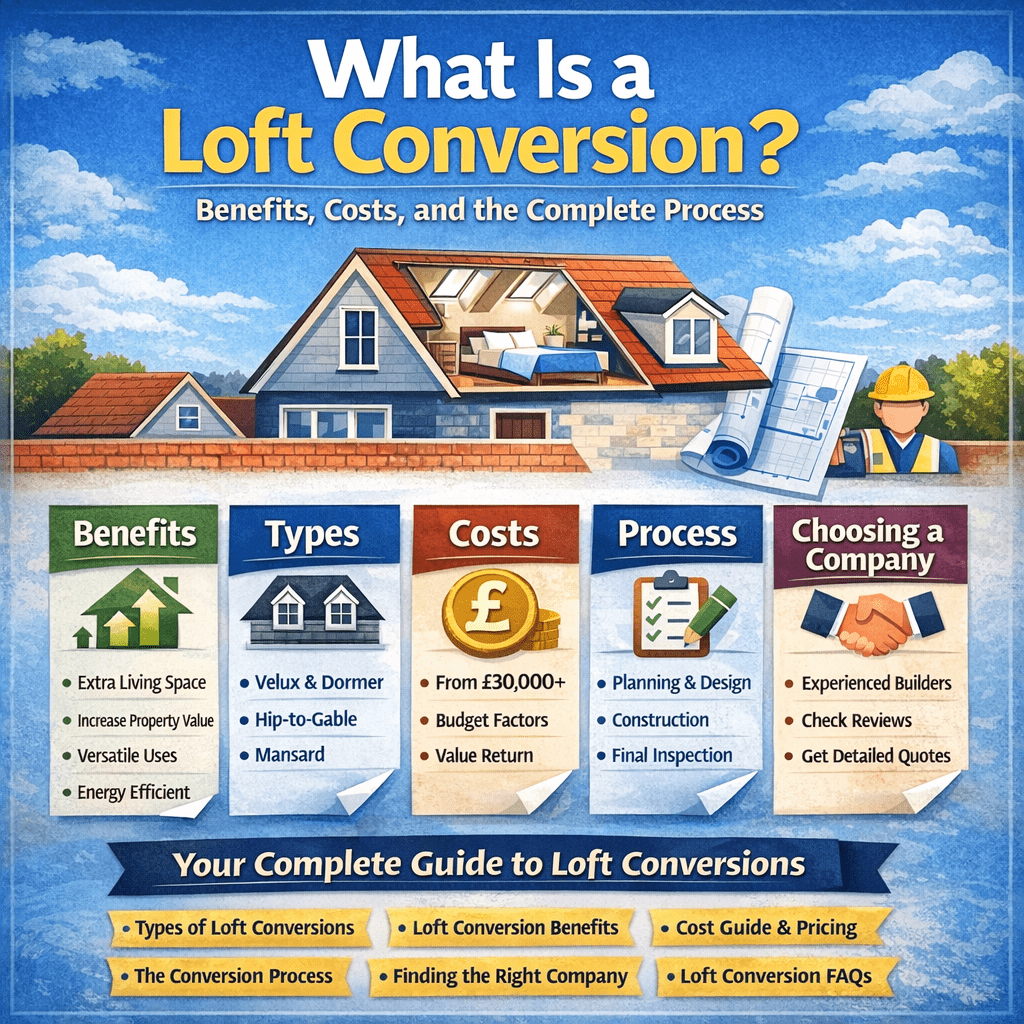
If you are still at the early stage and want a clear picture of how loft conversions work from start to finish, it is worth reading our full guide to what a loft conversion involves before going any further.
Here’s my honest view. The company you choose affects everything, cost control, build quality, timelines, and your stress levels.
This isn’t about flashy designs or sales talk. It’s about making a practical, informed decision that protects your home and your sanity. Let’s talk through how to get that right.
Why Loft Conversions Need Specialists
Loft conversions are a very different beast to extensions or general building work, and this is where a lot of projects quietly go wrong.
You are not building outwards on clear ground. You are working inside the structure of your home, above your head, while people are still living there. That changes everything.
A proper loft conversion specialist understands roof loads, floor strengthening, staircase design, and fire regulations as one joined up problem, not separate trades guessing their way through it.
Stairs alone catch general builders out all the time. Fire safety rules do not flex, and neither does headroom once the roof is open.
I have seen many good builders underestimate loft work because it looks simple on paper. It rarely is.
If you are weighing up a loft conversion company vs builder, ask yourself this. Do they do lofts every week, or is this just another job to them?
There is a reason loft conversion specialists exist. This is it.
Check Experience and Past Loft Projects
When people ask me how to choose a loft conversion company, this is the first thing I come back to every time.
Experience matters, but not just any experience. You want loft conversion experience, not a builder who has done one years ago and mostly works on extensions.
Ask to see recent loft projects. Not glossy renders, real jobs in real homes. What type of roofs were they working with.
Did they handle stairs properly. How did they deal with fire regulations and structural steel. These details tell you far more than a sales pitch ever will.
A good company should be happy to talk through past work and explain what challenges came up and how they solved them. If they dodge questions or show you unrelated projects, that is a red flag.
Here is my rule of thumb. If they cannot confidently explain their last few lofts, they should not be trusted with yours.
Design and Build or Separate Teams
This is another decision that trips people up early on. Do you go for a design and build loft conversion, or do you appoint an architect first and then bring in a builder?
Design and build means one team handles everything from drawings through to the finished space.
When it works, it works very well. Fewer handovers, clearer responsibility, and far less finger pointing if something needs adjusting.
In my experience, this suits straightforward lofts where speed and coordination matter.
The architect and builder route can be right for more complex homes or when you want something very bespoke.
The downside is managing two separate parties and making sure nothing gets lost between design and build.
If you are weighing up a loft conversion architect vs builder, ask yourself this.
Do you want simplicity and accountability, or are you prepared to manage more moving parts for a custom outcome?
Understanding Quotes and What They Really Mean
This is where a lot of loft conversions start going wrong, before a hammer is even lifted.
You will often get wildly different loft conversion quotes for what sounds like the same job.
That usually isn’t because one company is greedy and another is honest. It’s because they are not quoting the same thing.
A proper quote should spell out exactly what is included. Structural work, steels, insulation, stairs, electrics, plumbing, finishes, and crucially what is not included.
If it’s vague, that’s not flexibility, that’s risk.
I’m blunt about this. Vague quotes are the main reason budgets blow out.
When the scope isn’t written down, extras creep in and suddenly the price feels very different to what you agreed.
Always ask for a written scope alongside the figure. That’s your protection.
If you want to understand how pricing really works and what a realistic loft conversion cost breakdown looks like, it’s worth reading our full guide on loft conversion costs before accepting anything.
Cheap on paper often turns expensive later.
Planning Permission and Building Regulations
This is an area where you really want confidence, not hand waving.
A good loft conversion company should guide you through planning permission and loft conversion building regulations without making it feel complicated.
These rules are not optional and they are not there to slow things down. They exist to make sure the space is safe, legal, and comfortable to live in.
Planning permission is about what you are allowed to build. Building control is about how it is built. They are not the same thing, and mixing them up is a red flag.
If someone tells you planning permission will not apply without even looking at your property, or says building regs can be sorted at the end, that should make you pause.
In my experience, that mindset causes delays, redesigns, and sometimes expensive fixes.
The right company explains early whether your loft conversion needs planning permission, how building control approval will be handled, and what inspections are involved.
If they take this seriously, chances are they take the whole project seriously too.
Communication and Project Management
This is the part most people underestimate, and it is usually where stress either builds or disappears.
You need to know who is actually running your loft conversion project day to day. Is it the person who sold you the job, or someone else entirely?
Clear loft conversion project management means one point of contact, not a guessing game.
Good communication keeps a loft conversion timeline on track. Regular updates matter, even when nothing dramatic is happening. A quick message to say what is happening next week goes a long way.
In my experience, most disputes do not come from mistakes. They come from silence. When homeowners are left wondering what is going on, confidence drops fast.
A well run project feels predictable. You know what stage you are at, what is coming next, and who to speak to if something changes.
If a company cannot explain how they manage communication before work starts, it usually gets worse once the build is underway.
Insurance, Contracts and Guarantees
This is the unglamorous part of a loft conversion, but it is also the part that protects you if things do not go to plan.
Proper loft conversion insurance is not optional. Public liability and employer’s liability should be in place before anyone sets foot on site. If a company dodges that conversation or says it is not needed, that is a serious red flag.
The same goes for contracts and guarantees. A written contract sets out exactly what is being built, how long it should take, and what happens if something changes.
A clear loft conversion guarantee shows the company is willing to stand behind their work once the dust has settled.
I will be blunt. If paperwork is avoided, rushed, or brushed off as unnecessary, walk away.
Professional builders protect themselves and their clients with proper documentation. That is not bureaucracy, it is basic responsibility.
Final Advice Before You Decide
Before you decide, slow it all down. This is your home, not a quick purchase you can return if it goes wrong.
Ask the extra question. Read the quote again. Sit with anything that feels unclear rather than brushing it aside.
In my experience, the right loft conversion company makes things feel calmer, not more confusing.
They explain, they challenge bad ideas, and they do not rush you into decisions. That matters far more than charm or big promises.
If something feels vague now, it will feel worse once the build starts. Trust clarity. Trust honesty. And choose the team that makes you feel informed and confident, not impressed.